
Can Steroid Supplements Be Made with Reduced Side Effects?
Introduction
Steroids, particularly anabolic-androgenic steroids (AAS), are widely used for muscle growth, performance enhancement, and medical treatments. However, their side effects—such as liver toxicity, hormonal imbalances, and cardiovascular risks—raise serious concerns. This leads to an important question: Is it possible to develop steroid supplements with minimized side effects?
This article examines:
- The common side effects of traditional steroids
- Scientific approaches to reducing these side effects
- The role of alternative compounds like SARMs and natural supplements
- Future possibilities for developing lower-risk steroid supplements
1. Understanding Steroid Side Effects
Traditional steroids, including testosterone derivatives like Dianabol, Trenbolone, and Winstrol, carry significant risks:
Liver Toxicity
Oral steroids such as Anadrol and Dianabol are often modified to resist liver breakdown (17-alpha-alkylation), which increases their strain on the liver. Prolonged use can lead to hepatotoxicity, elevated liver enzymes, and in severe cases, liver tumors.
Hormonal Imbalances
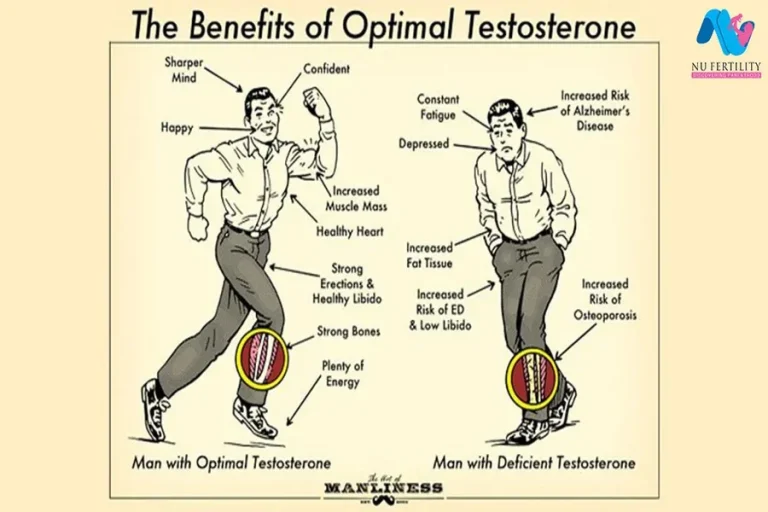
Exogenous steroid use suppresses natural testosterone production, leading to symptoms like fatigue, depression, and infertility. Additionally, some steroids convert into estrogen, causing side effects such as gynecomastia, water retention, and mood fluctuations.
Cardiovascular Risks
Many steroids negatively impact cholesterol levels by increasing LDL (bad cholesterol) and decreasing HDL (good cholesterol), raising the risk of heart disease and hypertension. Certain steroids, like Trenbolone, may also contribute to cardiac hypertrophy (enlarged heart).
2. Can Steroid Side Effects Be Reduced?
Researchers and supplement manufacturers have explored several strategies to mitigate the side effects of steroids:
Selective Androgen Receptor Modulators (SARMs)
SARMs, such as Ostarine (MK-2866) and Ligandrol (LGD-4033), are designed to target muscle and bone tissues more selectively than traditional steroids. This targeted approach reduces unwanted effects on the liver, prostate, and hairline.
Advantages:
- Lower liver toxicity (no 17-alpha alkylation)
- Minimal estrogen conversion, reducing gynecomastia risk
- Faster recovery of natural testosterone post-cycle
Limitations:
- Some SARMs still suppress natural testosterone production
- Long-term safety data remains limited
Prohormones and Designer Steroids
Compounds like 1-Androsterone (1-DHEA) and Epi-Androsterone are designed to convert into active hormones with less liver stress and reduced estrogenic activity.
Advantages:
- Reduced liver strain compared to traditional oral steroids
- Lower risk of estrogen-related side effects
Limitations:
- Still require post-cycle therapy (PCT)
- Generally produce milder effects than conventional steroids
Natural Testosterone Boosters
Ingredients such as D-Aspartic Acid, Fenugreek, Ashwagandha, and Zinc are used to support natural testosterone production without the risks associated with synthetic steroids.
Advantages:
- No suppression of natural hormone production
- Minimal side effects
Limitations:
- Far less potent than synthetic steroids
- Results develop more slowly
3. Future Possibilities: Safer Steroid Alternatives
Ongoing research aims to develop next-generation compounds with fewer side effects:
Gene-Targeted Steroids
Emerging gene-editing technologies, such as CRISPR, are being investigated for their potential to enhance muscle growth without causing systemic side effects.
Non-Hormonal Muscle Builders
Myostatin inhibitors, which block the protein responsible for limiting muscle growth, could offer a way to increase muscle mass without interfering with hormonal balance.
Improved Delivery Systems
Alternative administration methods, such as transdermal patches or slow-release injections, may reduce liver strain compared to traditional oral steroids.
4. Conclusion: Are “Safe Steroids” Possible?
While no steroid or muscle-building compound is entirely free of risks, advancements in SARMs, prohormones, and natural supplements provide options with fewer side effects than traditional steroids.
Key Takeaways:
- SARMs offer a balance between effectiveness and reduced side effects but are not without risks.
- Prohormones are a milder alternative but still require careful use and post-cycle therapy.
- Natural boosters are the safest option but produce slower and less dramatic results.
- Future innovations in gene therapy and drug delivery may lead to even safer muscle-building solutions.
For athletes and bodybuilders, the best approach involves informed supplementation, proper post-cycle therapy, and regular health monitoring to minimize potential risks.