
How AI Poster Generators Are Revolutionizing Visual Marketing Strategies
Introduction
In the rapidly evolving landscape of digital marketing, AI poster generator options emerged as transformative tools that streamline the creation of promotional materials. These advanced systems harness artificial intelligence to assist marketers in producing visually compelling posters that resonate with their target audiences, minimizing the traditional barriers of design expertise. By inputting relevant data such as themes, colors, and target demographics, users can generate customized posters in mere moments, thereby significantly reducing production time.
The foundation of AI poster generators lies in complex algorithms and machine learning models that analyze vast datasets of design elements and consumer preferences. This enables them not only to automate the design process but also to learn from user interactions continually. As a result, they can suggest modifications to enhance visual appeal or optimize layouts for better engagement. This capability empowers businesses, especially small and medium-sized enterprises, to maintain a competitive edge in the market, where timely and effective communication is crucial. Furthermore, by democratizing design, these tools foster creativity and innovation, allowing even those without formal training in graphic design to participate in crafting impactful marketing content.
As organizations seek to leverage the benefits of these AI-driven solutions, it’s essential to recognize their implications for marketing strategies. By providing quick, adaptable, and data-driven design options, AI poster generators enhance marketing agility and enable more responsive campaign management. Brands can swiftly pivot their messaging and visual strategies in reaction to real-time analytics or shifting market trends. Overall, the integration of AI poster generators into marketing workflows signifies a notable shift towards efficiency and personalization, fundamentally reshaping how businesses interact with their customers and communicate their brand narratives.
Benefits of Using AI Poster Generators
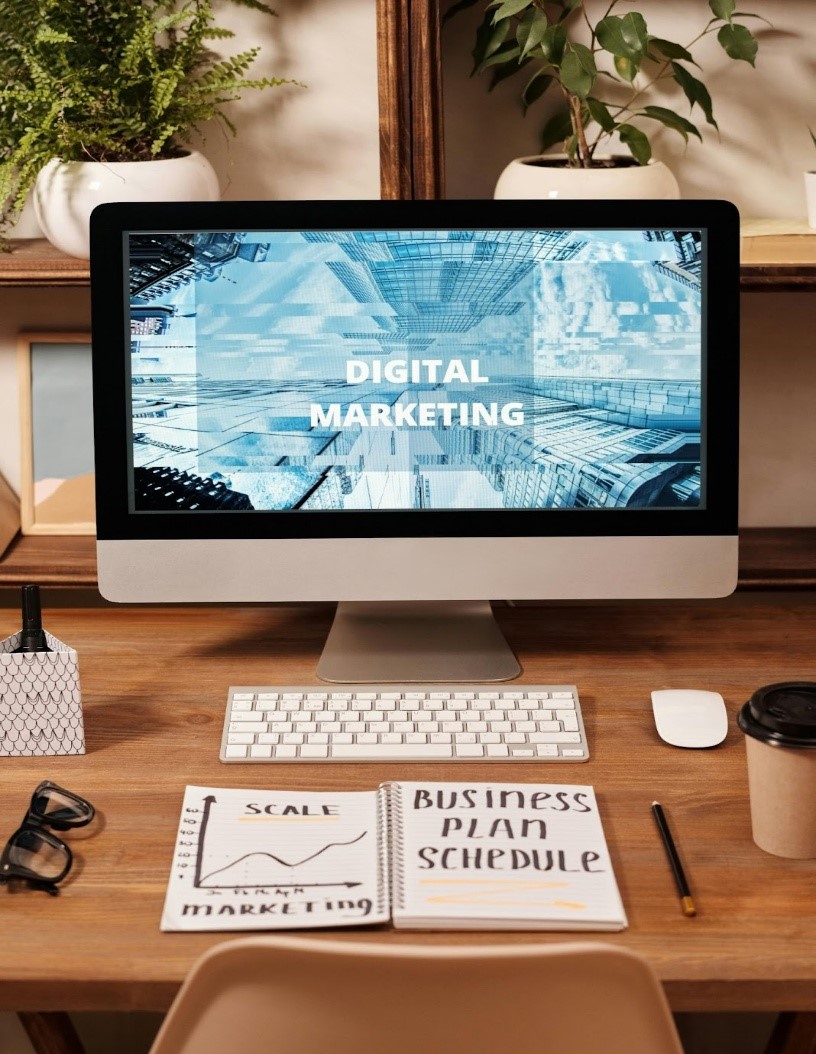
In the evolving marketing landscape, AI poster generators have transformed campaign execution and conceptualization. One significant advantage is cost reduction. Traditionally, businesses incurred high costs from hiring graphic designers and buying software. AI poster generator options minimize these expenses, providing an all-in-one solution with templates and automated features. Companies can create quality posters affordably, allowing even small businesses to allocate funds to other vital areas like social media or product development. Speed is another major benefit, enabling fast responses to trends and audience needs. Marketers can quickly generate and modify designs, reducing lengthy approval processes and enhancing campaign relevance. AI tools promote real-time experimentation, allowing users to refine ideas without barriers.
Creativity is also enriched by AI poster generators, empowering users to explore new concepts beyond their design skills. Intelligent algorithms analyze successful design principles, suggesting innovative elements and graphics tailored to specific campaigns. This collaboration between AI and human creativity broadens the scope for marketing aesthetics, resulting in unique visuals that resonate with audiences. AI democratizes design, elevating the standard of marketing materials and fostering brand recognition.
The financial efficiency of AI generators is pivotal, allowing businesses to create professional materials without the burden of large budgets. They operate on subscription models, giving small to medium-sized enterprises a chance to compete with larger corporations. Moreover, quick turnaround times provided by these technologies enhance response capabilities to market demands, promoting real-time A/B testing and data-driven insights for more effective strategies.
Enhanced creativity emerges from AI tools that inspire innovative ideas, reinvigorating design processes and enabling brands to craft unique visual narratives. These generators suggest design modifications based on successful trends, thus integrating data insights with artistic efforts. Overall, the intersection of AI and creativity not only streamlines production but also enriches the ideation process, leading to impactful marketing campaigns that truly stand out.
Case Studies of Successful Campaigns
Case Study 1: Brand X’s Innovative Approach
In modern marketing, Brand X has utilized AI poster generators, transforming their visual identity and overall USA Magazine strategy. This AI-driven design approach has streamlined their creative process, enabling the fast production of vibrant, engaging posters for diverse audiences. The change significantly enhanced aesthetic appeal and fostered stronger connections with target demographics by understanding consumer preferences and behaviors. The turning point for Brand X occurred during their latest product line launch, where traditional marketing methods proved costly or misaligned with their agile ethos. Adopting AI technology allowed the marketing team to experiment with various styles without the usual time and resource constraints. Posters were customized for different platforms—social media, outdoor displays, or print—facilitating rapid adaptation to trends and seasonal changes. The generator analyzed past successful campaigns, pinpointing color schemes, fonts, and imagery that drove engagement. This data-driven approach resulted in campaigns that echoed Brand X’s identity while resonating with audience preferences. Moreover, integrating AI poster generation established a feedback loop for continuous improvement. Real-time analytics revealed which designs performed best, enabling Brand X to refine visuals based on consumer interaction. This iterative design, deployment, and analysis process informed subsequent campaigns, creating a cycle of progressive enhancement. Consequently, Brand X experienced a 30% increase in overall campaign engagement and positioned itself as a thought leader in leveraging technology for marketing. This case illustrates the significant impact of AI poster generators on branding, promoting dynamic, data-informed strategies that challenge traditional marketing practices.
Case Study 2: Nonprofit Y’s Fundraising Success
In the realm of nonprofit organizations, standing out among competing causes is challenging. Nonprofit Y aimed to launch a fundraising campaign that resonated with its community while raising awareness for its mission. They utilized AI poster generators for compelling imagery and narratives, optimizing the design process and allowing the team to create graphics aligned with audience values. The campaign featured visually striking posters showcasing different aspects of the nonprofit’s cause, paired with moving narratives about the mission. AI design tools enabled rapid iterations, allowing Nonprofit Y to test various visuals and messages on social media. This adaptability was critical; feedback provided insights that refined the dailynewstopics, keeping it relevant and emotionally resonant. Data analytics helped identify engaging designs, leading to optimized promotional content that boosted participation rates across platforms. Ultimately, Nonprofit Y exceeded its fundraising goals by 30%. The AI-generated posters were crucial, transforming static messages into dynamic calls to action that inspired community involvement. This case illustrates the transformative potential of AI-driven design in nonprofit fundraising, reimagining how organizations communicate their purpose and mobilize support in a crowded landscape. By combining technology and creativity, Nonprofit Y demonstrates the meaningful impact of AI tools in the nonprofit sector.
Case Study 3: Retailer Z’s Seasonal Campaign
In a competitive retail landscape, Retailer Z initiated a seasonal marketing campaign showcasing the impact of AI poster generators during the winter holiday season. Aiming to stand out among numerous advertisements, the retailer leveraged AI design tools to craft visually compelling posters that connected with its audience. The AI analyzed data from previous campaigns, social media, and consumer behavior to create visually appealing and strategically relevant designs. The campaign featured posters highlighting promotions and seasonal products, such as dialogueexpress apparel and festive decor. One particularly successful poster depicted a cozy living room scene with holiday items, eliciting a strong emotional response from consumers. Dynamic text generated by the AI emphasized limited-time offers, encouraging quick action. Thanks to the flexibility of the AI tool, Retailer Z continuously refined designs based on real-time feedback, maintaining the visuals’ relevance throughout the promotions. This combination of AI technology and creative marketing led to significant campaign success, resulting in a 35% increase in click-through rates for digital ads and enhanced foot traffic to physical stores. This case study illustrates the innovative use of AI in marketing and the importance of aesthetics and emotional connections in engaging consumers. Retailer Z’s fusion of technology and storytelling serves as a model for other retailers navigating changing market dynamics.
Conclusion
As the pervasive influence of AI transforms diverse sectors, the realm of marketing is experiencing a significant evolution, particularly through the integration of AI poster generators. These innovative tools not only streamline design processes but also enhance the ability to tailor marketing strategies to distinct consumer demographics. The conclusions drawn from the exploration of AI poster generators highlight their capacity to create visually striking, data-driven content that resonates with target audiences, thereby optimizing engagement and conversion rates. By automating design tasks, marketers can embrace a more efficient workflow, allowing them to allocate resources toward strategic planning and customer relationship management. Moreover, the implications extend beyond mere efficiency; AI poster generators foster a depth of personalization that was previously arduous to achieve. This level of customization enables brands to craft narratives that align with individual consumer preferences, leveraging big data analytics to predict trends and behaviors. In an age where consumer expectations are at an all-time high, the ability to generate tailored content swiftly gives brands a competitive edge. Ultimately, the synthesis of artificial intelligence with creative design not only redefines traditional marketing approaches but also cultivates a dynamic, responsive marketing landscape that is prepared to adapt to ever-changing consumer needs. In sum, the impact of AI poster generators on contemporary marketing strategies is transformative and multifaceted. By harnessing the power of artificial intelligence, businesses are not merely enhancing their aesthetic appeal; they are revolutionizing how they connect with their audiences on a substantive level. As companies navigate this complex digital terrain, the lessons learned from deploying these technologies will undoubtedly shape future marketing endeavors, fostering innovation and leading to enriched customer experiences that align with the demands of tomorrow’s market.


